PERSON DIRECTORY
Dwarkesh Patel
Host of Dwarkesh Podcast. Dwarkesh Patel appears in 66 indexed conversations across Dwarkesh Podcast, Hard Fork, The a16z Show. This directory brings every appearance, source, TL;DR, digest, and transcript into one searchable feed.
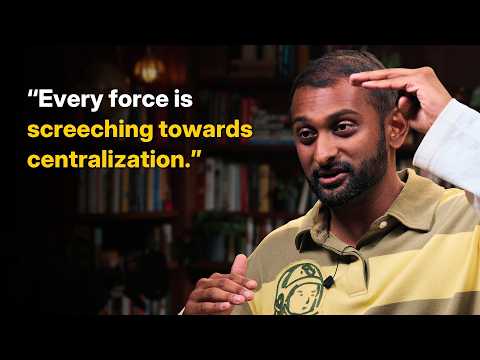
Dylan Patel – Two labs will soon control most of the world's workforce
Anthropic and OpenAI could receive 40%–50% of new compute next year, potentially controlling most usable FLOPs by end-2028 as GB300, TPU v7 and Trainium 3 improve performance per watt 3–5×.Anthropic’s revenue has reached as high as $50M/MW, it started turning profitable in Q2, and compute repricing, regulation and export controls leave margins, financing and centralization as key risks.
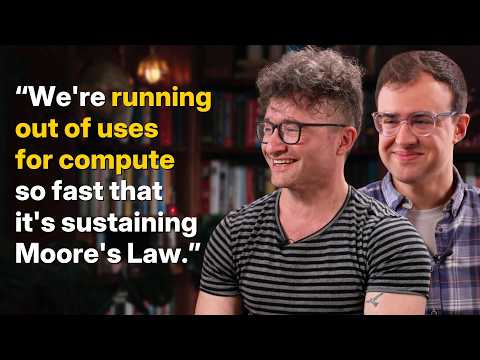
The better AI gets, the smaller its share of the economy might get – Alex Imas and Phil Trammell
Dwarkesh PatelAlex ImasPhil Trammell
Post-AGI value may concentrate either in relational goods where human participation itself matters or in ever-expanding machine-made varieties, leaving the endpoint unresolved.H100 rents rising despite abundant compute and no white-collar bloodbath yet make demand elasticity the central signal, while political shocks, redistribution design and concentrated capital ownership remain decisive risks to monitor.
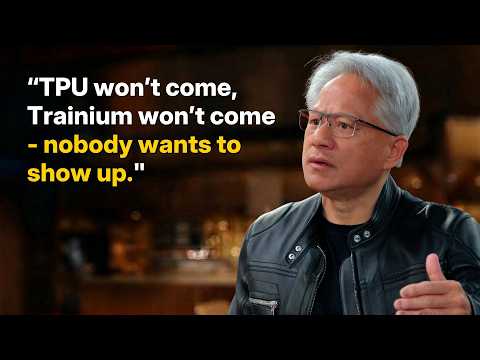
Jensen Huang – Will Nvidia’s moat persist?
Jensen argues TPU and ASIC growth is concentrated in Anthropic, while Nvidia’s broader programmable platform and supply-chain commitments preserve its reach and unit-TCO advantage.Groq expands Nvidia into premium low-latency inference, with Vera Rubin and Feynman targeting annual order-of-magnitude token-cost declines; China export controls remain an unresolved strategic risk after a direct security challenge.
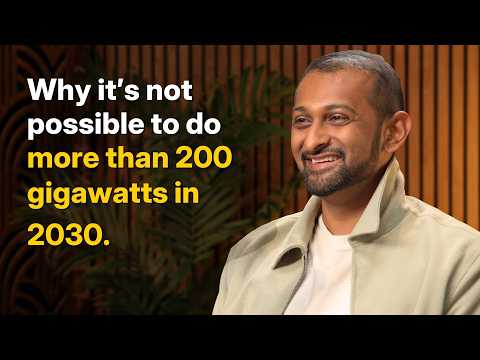
Dylan Patel — The single biggest bottleneck to scaling AI compute
AI scaling’s binding constraint is migrating to ASML, whose EUV capacity could cap annual AI-chip output at roughly 200GW by 2030.Supply scarcity is supporting H100 contracts near $2.40/hour against a $1.40 all-in build cost, while memory absorbs roughly 30% of Big Tech’s 2026 CapEx and new fabs arrive only in late 2027/2028.The central timeline risk is geopolitical: fast progress favors the US, but slower returns could let China’s verticalized supply chain scale past the West, especially if Taiwan is lost.
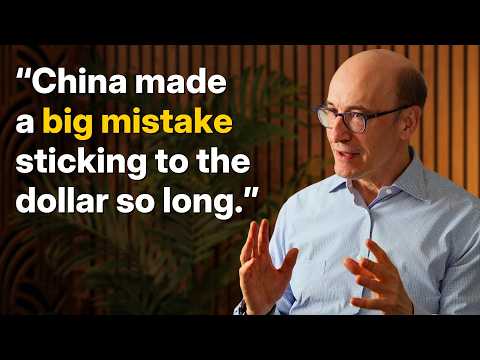
"China is digging out of a crisis. And America’s luck is wearing thin." — Ken Rogoff
China may remain in crisis for “five or ten years,” with real estate near a third of the economy, demand crushed, and growth potentially only one percentage point faster than the US each year.Rogoff sees 10–20% inflation as the more likely US debt escape, while rising real rates, weaker Fed independence, and China’s construction of alternative payment rails make fiscal credibility, Taiwan preparation, and foreign-equity performance key signals to monitor.

Mark Zuckerberg — AI will write most Meta code in 18 months
Meta expects AI agents to write most code for its AI efforts within 12–18 months, moving beyond autocomplete into testing and autonomous improvement.Yet compute, energy, permitting, and human testing capacity remain bottlenecks, while Meta AI’s near-1B monthly users are concentrated outside the US.Monetization hinges on premium compute and product value, with open-source adoption, security, and China’s infrastructure lead unresolved.
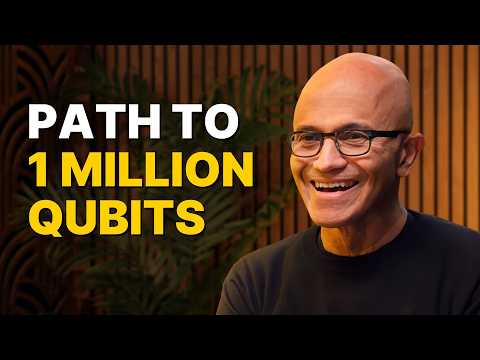
Satya Nadella — Microsoft’s AGI plan & quantum breakthrough
Hyperscalers should capture AI infrastructure value as agents multiply compute demand, while open source and enterprise buyers constrain single-model dominance.Microsoft’s $13B AI revenue is a spending governor amid expected overbuild and cheaper leased capacity in '27 and '28; Majorana One’s fault-tolerant timeline remains '27, '28, '29, while agentic SaaS faces legal and change-management risks.
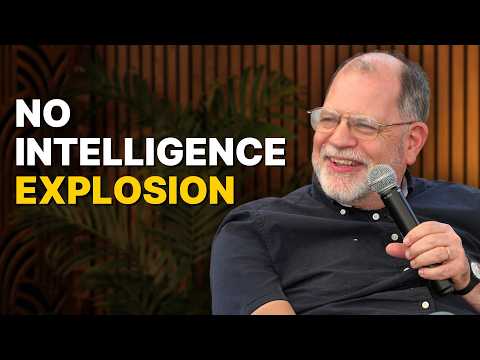
Tyler Cowen — The #1 bottleneck to AI progress is humans
Tyler Cowen argues that AI will transform the world without producing an explosive economic takeoff: as intelligence becomes abundant, adoption, institutions, infrastructure, and other constraints become the bottlenecks.He weighs rapid capability gains against slow diffusion, unusually normal markets, diminishing returns, and the risk that technological progress makes future wars more destructive.