SHOW DIRECTORY
All-In
Industry veterans Chamath Palihapitiya, Jason Calacanis, David Sacks, and David Friedberg cover economics, technology, politics, society, and poker.
SOURCE DESCRIPTION · RSS
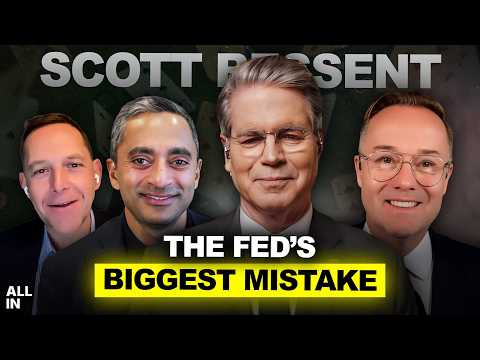
Scott Bessent: Fixing the Fed, Tariffs for National Security, Solving Affordability in 2026
Bessent’s 2026 thesis pairs roughly 6% nominal growth with a $200-$300 billion fiscal contraction, targeting mid-five deficit-to-GDP.He frames tariffs up to 145% as national-security leverage, not permanent revenue, with fentanyl rates later halved to 10%.Execution risk centers on whether Fed normalization, $1,000-$2,000 refunds, and capex incentives can repair affordability.

1929 vs 2025: Andrew Ross Sorkin on Crashes, Bubbles & Lessons Learned
Chamath PalihapitiyaDavid FriedbergAndrew Ross Sorkin
AI investment echoes 1929’s mix of technology and easy credit, but corporations are funding much of today’s spending with real cash and leverage is harder to locate across data centers, energy, real estate and private credit.Nvidia–OpenAI and AMD arrangements suggest possible circularity, yet a reckoning could still be years away; the key test is whether AI moves beyond novelty-slopware toward durable productivity and quality.

The Shocking Truth About DC Spending & Corruption - Scott Bessent
Chamath PalihapitiyaDavid FriedbergScott Bessent
Scott Bessent’s fiscal strategy targets a 3–3.5% deficit-to-GDP ratio by 2028 through slower spending, deregulation, tariffs, cheap energy and private-sector re-employment, while warning that every $300 billion cut equals roughly 1% of GDP.Bank balance-sheet reform could lower Treasury-bill yields 30–70 basis points, and a sovereign wealth fund could mobilize federal assets; execution risk centers on recession timing, congressional constraints and whether growth reaches 3%+.