SHOW DIRECTORY
Invest Like the Best
Deep conversations with investors, founders, and operators about business quality, capital allocation, strategy, and enduring competitive advantage.
BIDCLUB DESCRIPTION
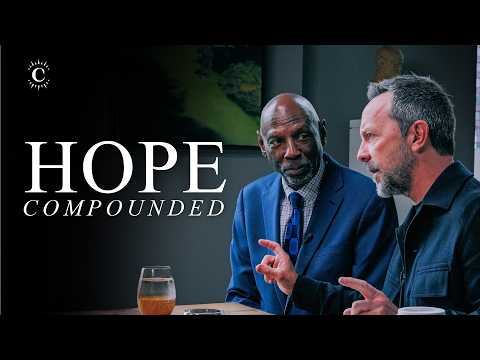
Giving Every Kid a Stake in Capitalism | Brad Gerstner & Geoffrey Canada
Patrick O'ShaughnessyBrad GerstnerGeoffrey Canada
Universal capital accounts aim to close capitalism’s ownership gap, with 70 million accounts created for children under 18 and a $1,000 S&P 500 investment for newborns.Automatic account creation gives investments time to compound, while philanthropy can add targeted capital; the Dells contributed $6.25 billion for 25 million children.The $1,000 federal grant needs reauthorization every four years and is funded through 2029, while family trust and participation remain key execution challenges.
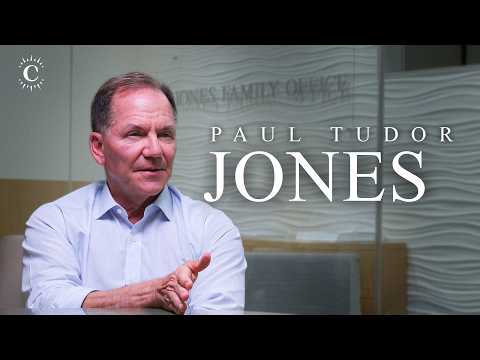
Legendary Trader Paul Tudor Jones on AI Risk, Bubbles and Buffett
Patrick O'ShaughnessyPaul Tudor Jones
Paul Tudor Jones sees dollar-yen as an undervalued trade finally gaining a catalyst from Japan’s new leadership and its largely unhedged $4.5 trillion international investment position.He also flags a sovereign debt bubble and an IPO supply reversal as buybacks weaken under hyperscaler capex; the yen catalyst and 6–18-month unlock schedule remain key monitors.
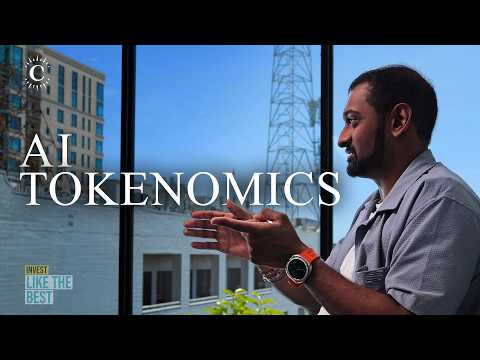
The Supply and Demand of AI Tokens | Dylan Patel Interview
Patrick O'ShaughnessyDylan Patel
SemiAnalysis’s Claude Code spend has reached a $7M annual run rate against $25M of salaries, while Anthropic’s revenue growth implies a 72% gross-margin floor and pricing power that still may not clear capacity constraints.Mythos’s reported L4-to-L6 leap, selective cybersecurity access at 5–10x token cost, and sold-out DRAM, GPUs, CPUs, and fab equipment make compute supply and deployment breadth the key catalysts to monitor.
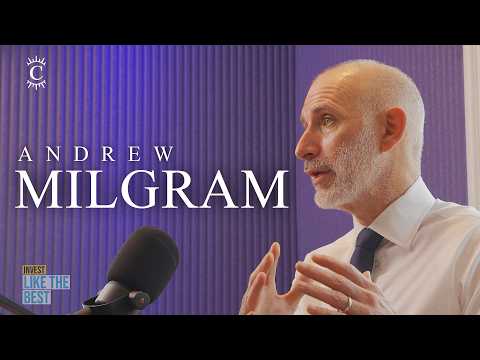
The Data on America's Economic Split | Andrew Milgram Interview
Patrick O'ShaughnessyAndrew Milgram
Anonymized data from 1,200 US middle-market companies shows EBITDA down 20–25% since 2019, negative net profits for two years, and another 20% failing debt-service coverage in 2024.Tariffs above 5–6% could crush these firms, while private-credit defaults may be understated; waiver rates, amendment rates, and PIK exposure are more revealing than reported defaults.