SHOW DIRECTORY
All-In
Industry veterans Chamath Palihapitiya, Jason Calacanis, David Sacks, and David Friedberg cover economics, technology, politics, society, and poker.
SOURCE DESCRIPTION · RSS

Jake Paul & The Chainsmokers: Turning Fame into Funds, Jake Enters Politics? & Venture Bubble Signs
Chamath PalihapitiyaJason CalacanisDavid SacksDavid FriedbergJake PaulDrew TaggartAlex Pall
Jake Paul is turning owned attention into distribution and talent infrastructure, citing 138 million Netflix viewers for the Mike Tyson event and 400 MVP fighters.His $100 million Anti Fund and The Chainsmokers’ fund target venture economics, but later tranches priced at two or three times earlier valuations without operating improvement leave realized DPI—not TVPI—as the test of Chamath’s bubble warning.
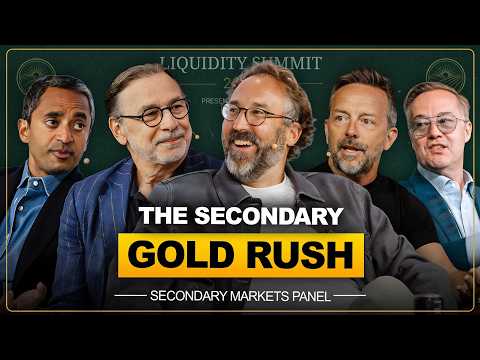
Why Secondary Markets Are Eating the IPO | All-In Liquidity Secondary Markets Panel
Brad GerstnerGavin BakerKelly RodriquesChamath PalihapitiyaJason CalacanisDavid SacksDavid Friedberg
Private-company secondaries have become a third exit market, with 2025 volume roughly twice the 2021 peak and activity equal to 31% of primary venture activity.Forge’s Schwab partnership could distribute private equity to millions of investors through regulated products, while longer private lifecycles, double-fee SPVs and valuation compression make governance, pricing and liquidity worth monitoring.
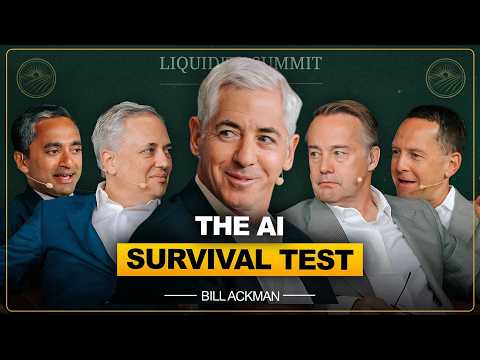
Bill Ackman: Here's What the Market is MISSING
Ackman now prioritizes long-term, durable, protected, non-disruptable growth as AI makes disruption the first underwriting question.He sees Microsoft, Meta, and Amazon as undervalued amid enthusiasm for chips and energy, while SaaS requires company-by-company analysis of pricing power and platform value.Howard Hughes is his 50-year compounding project, combining below-liquidation-value real estate with insurance float and a potential path toward “a trillion-dollar thing over time.”
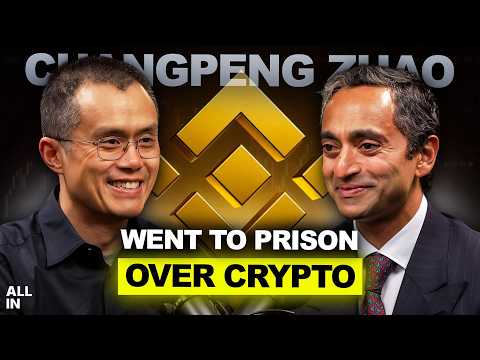
Binance CEO: 4 Months in Prison, $4 Billion Fine, and What Comes Next
CZChamath PalihapitiyaJason CalacanisDavid SacksDavid Friedberg
Binance emerged after China’s March 2017 shutdown erased roughly 30 software clients, with an ICO selling 60% of BNB for about $15 million to fund the crypto-to-crypto exchange.Faster execution and a 50% fee discount drove adoption, but weak KYC/AML and unregistered US service led to CZ’s four-month sentence, while AI-agent payments remain a possibility and privacy unresolved.
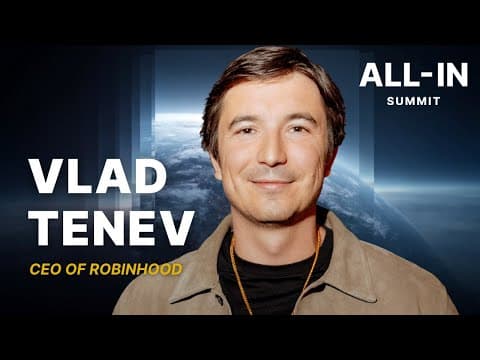
Robinhood CEO Vlad Tenev on tokenizing stocks, expanding access to private shares, fintech's future
Robinhood’s tokenization thesis prioritizes access to inaccessible, illiquid assets over 24/7 trading, using stablecoin-like reserves and one-to-one minting to offer exposure to assets including OpenAI and SpaceX across 31 countries.Public stocks provide the cleaner regulatory starting point, while private shares offer greater long-term significance but raise issuer-consent and disclosure issues; Robinhood is also expanding its integrated financial platform as Harmonic develops formally verified mathematical reasoning and software.
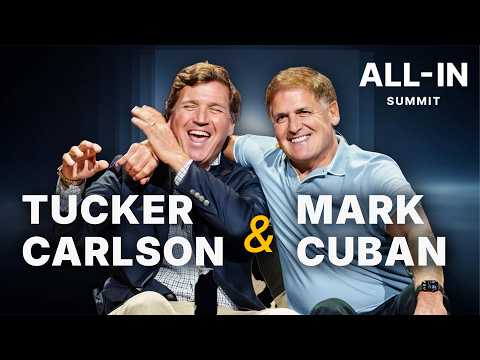
Tucker Carlson and Mark Cuban Debate How to Save America 🔥 | All-In Summit 2025
Cost Plus Drugs exposes extreme pricing gaps by publishing drug costs, adding 15%, and charging $5 each for shipping and pharmacist review, with customers reporting $21 bills instead of $900-$2,000 quotes.PBM formularies control access for more than 180 million people and can block manufacturers from supplying Cost Plus, while the ACA subsidy cliff could raise premiums for 12.5 million people, making transparency, reform, and political execution key risks to monitor.

The Stablecoin Future, Milei's Memecoin, DOGE for the DoD, Grok 3, Why Stripe Stays Private
Chamath PalihapitiyaJason CalacanisDavid FriedbergJohn CollisonPatrick Collison
Stripe’s stablecoin strategy targets cross-border dollar access before U.S. checkout payments, with Bridge and rails such as Ethereum L2s and Solana extending its software-orchestrated money movement.Its profitable private model compounds across payments, billing, and treasury while a trusted transaction network could reduce fraud and fees, though Visa and Mastercard trade-offs remain.