SHOW DIRECTORY
The a16z Show
The venture firm’s view of startups, AI, software, markets, company building, and the technological shifts creating new categories.
BIDCLUB DESCRIPTION

Mark Cuban on Why AI Could Turn Solo Founders Into Trillionaires
Mark CubanJulie YooErik Torenberg
Cost Plus Drugs grew from 111 generics in January 2022 to roughly 4,000 SKUs at a fixed 15% markup, with its public API giving buyers a price benchmark.Pre-signing AI review of Dallas’s 1,335-page PBM contract could uncover overcharges; savings may reach millions for organizations above 1,500 employees or members, depending on existing overcharging.Manufacturing pods target roughly 200 annual sales within two years, though 1,000 ANDA applications alone would cost $365 million plus other fees, before manufacturing investment.
Inside Moderna’s Biggest mRNA Test Since COVID
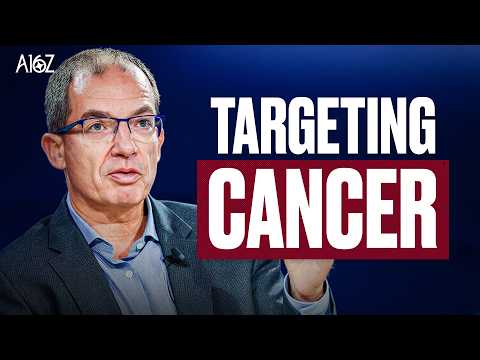
Moderna and Merck’s personalized mRNA cancer vaccine met its Phase 3 primary endpoint in melanoma and also hit distant metastasis-free survival at the first interim analysis, with patient availability hoped for in 2027.Phase 2 showed 50% five-year recurrence-free survival versus Keytruda alone and 80% disease-free; inside-cell antigen presentation and a Marlborough facility capable of tens of thousands of doses support scale, while pricing and 20% nonresponse remain watchpoints.
How Truemed Is Incentivizing Americans to Invest in Prevention
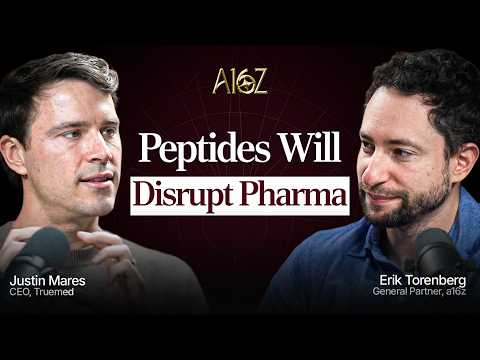
TrueMed’s differentiated wedge is turning qualified preventive interventions into tax-advantaged healthcare through letters of medical necessity and payment integrations with Eight Sleep, Peloton, Momentous, and Life Time Fitness.The model targets a structural mismatch in which consumers pay for prevention while insurers absorb enormous downstream costs, but subsidy reform, food quality, GLP-1 limitations, and regulatory capture remain essential risks to changing chronic-disease economics.