SHOW DIRECTORY
20VC
The Twenty Minute VC interviews leading venture capitalists and company founders, hosted by Harry Stebbings.
SOURCE DESCRIPTION · RSS
20VC: Jev's Diogo Almeida on Why Data Beats Compute
Diogo Almeida argues that dependable judgment—not speed or cost—is AI’s missing market, and that task design and task-shaped data matter more than compute.Although Almeida says Jev is profitable with good margins, its “mega Jevons paradox” revenue case depends on cheap projects delivering enough value to expand budgets, while real automation remains roughly 0% across Jev, Fable and Astra.

Inference Will Be $10TRN Market: What No One Sees | Software Investors are F***ed | Naveen Rao
Jev founder Almeida argues that inconsistent judgment, not inference cost, limits AI automation in consequential background work.He prioritizes task selection and data, while warning that Jev and rivals remain at roughly 0% on real automation, leaving reliable deployment and AI demand unresolved.
Fractile’s Walter Goodwin on NVIDIA, Capex and Neo Clouds
Fractile is betting that stacked memory can deliver SRAM-like bandwidth with DRAM capacity, targeting faster inference for long-running agents.Goodwin says reasoning models multiply compute through longer runs and parallel agents, while land and power limits make throughput per megawatt critical.Fractile has fabricated silicon, with full-product tape-outs expected in “a few months”; reliable rack-scale operation and manufacturing volume remain key milestones.

Mistral CEO: Why OpenAI & Anthropic Will Come for Your Business | Are Chinese Models Truly Safe?
Europe’s near-term AI constraint is capital and chips, not electricity, which is about 10% of computing ownership costs; energy bottlenecks are forecast for 2029–2030 as enterprise workloads can jump from eight GPUs to a thousand.Mistral’s sovereign stack combines model training, customer-side data platforms and managed compute; reserved capacity and latency guarantees support premium inference, while committed demand must sustain expansion without excessive leverage.
20VC: Modal’s Erik Bernhardsson on inference and RL’s limits
Harry StebbingsErik Bernhardsson
Modal has reached $1 billion ARR after 15X growth in 12 months, yet capacity spending keeps cash flow negative.Its 25-neocloud pool, per-GPU-second pricing and adjacent products aim to smooth demand, retain customers and lift gross margins toward Bernhardsson’s 40–60% range.Watch whether 30–40% monthly growth can support buying roughly two to three times projected capacity as hardware-price timing remains unknowable.
20VC: Satya Nadella on Open vs Closed Models and AI Ownership
Nadella no longer expects scaling to deliver alignment; powerful agents still need engineered zero-trust controls.Most token use may become commodity; Unilever’s trade-claims shift to lower-cost MAI shows the value of control and training on company traces.Private evaluations may become core corporate IP, while apps route tasks across open and closed models and leave the dominant architecture unsettled.
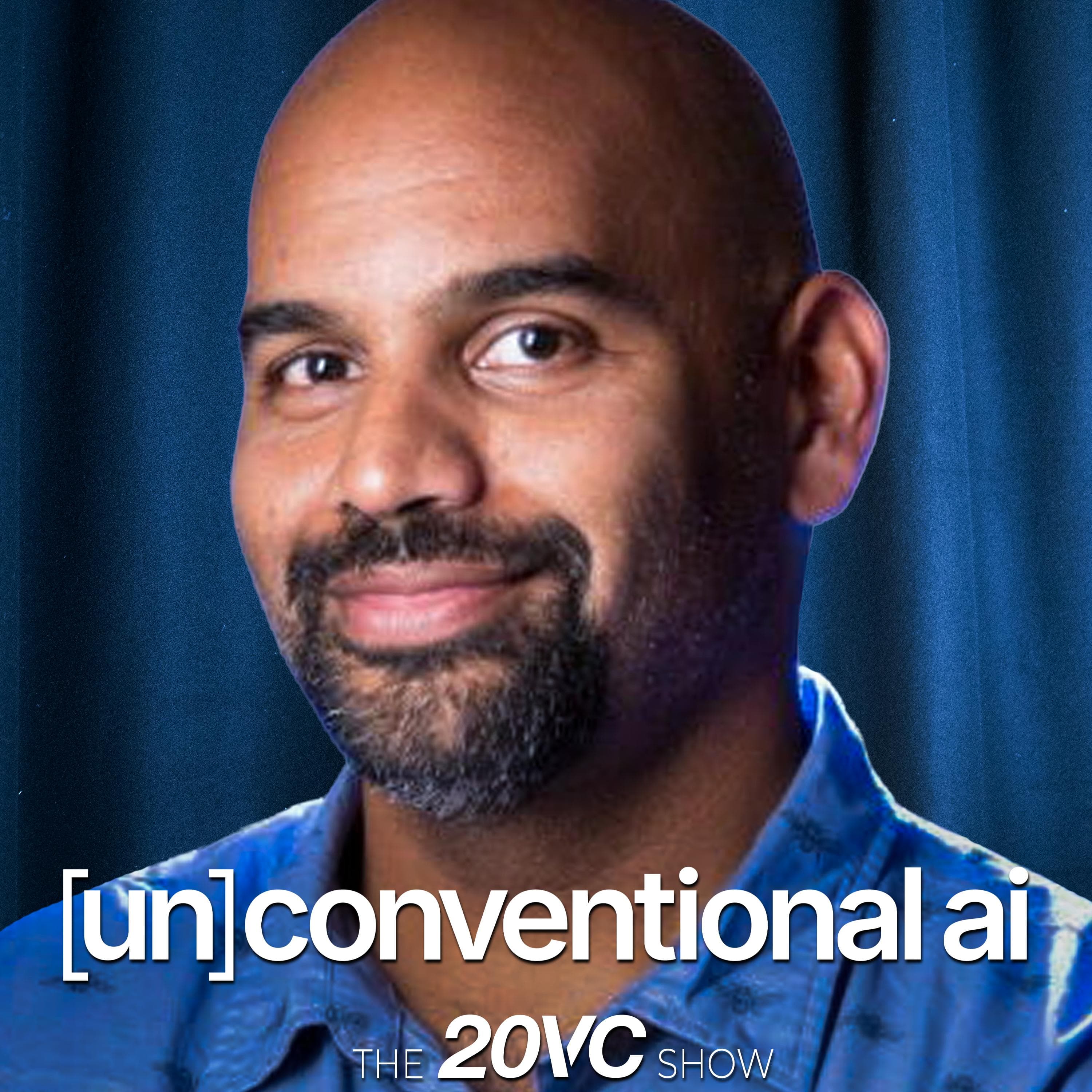
20VC: Unconventional's Naveen Rao on robotics and $10TRN inference
Rao sees US spare power becoming scarce within years, tying AI growth to construction.Unconventional co-designs models and hardware for efficiency as falling token prices pressure inference margins, despite a $10 trillion market forecast within 10 years.He sees robotics 100 times larger than agentic coding, with prototypes in two to three years and a market in five to seven.
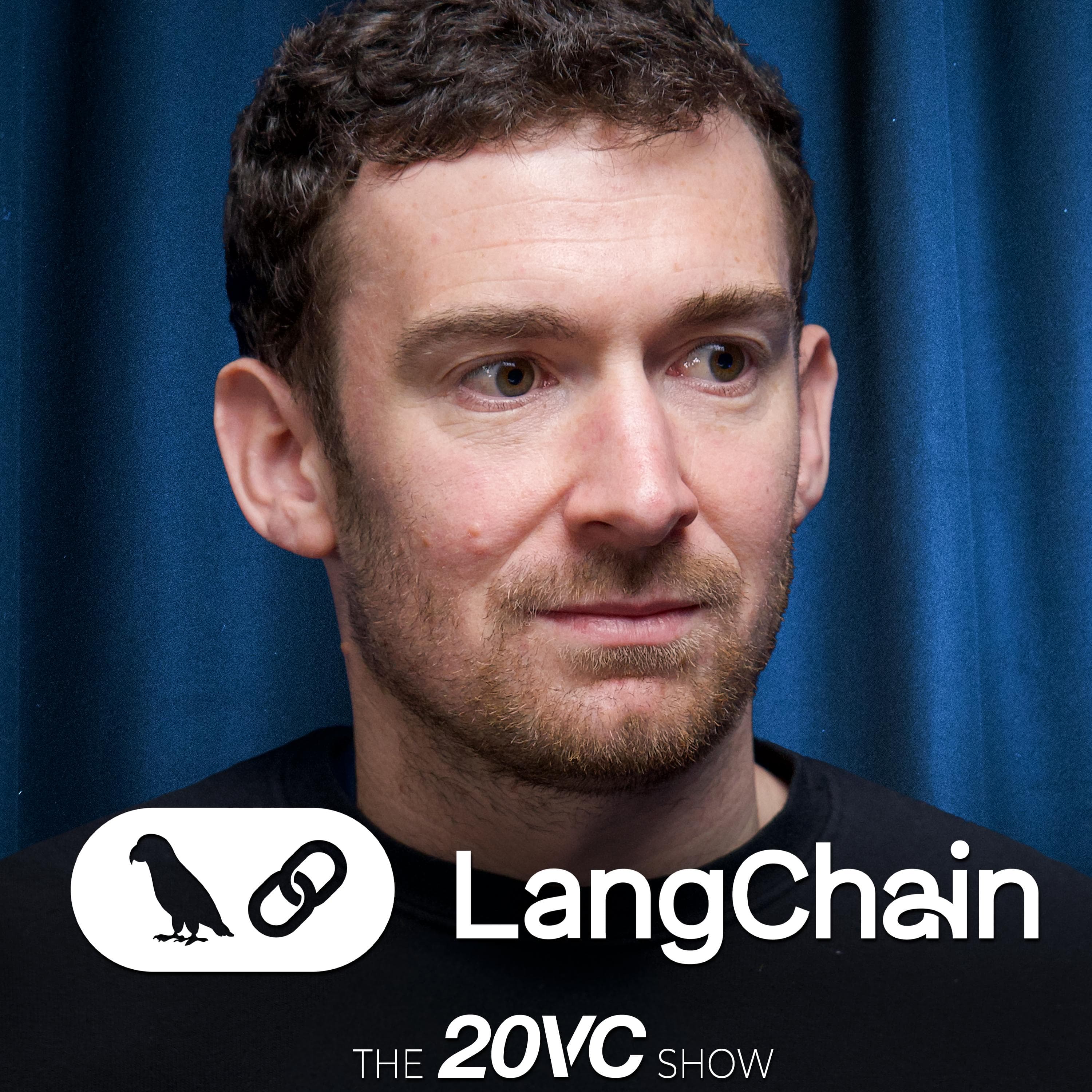
LangChain's Chase: vertical agents win, routing lives in the harness
Chase says vertical-agent routing belongs in a state-aware harness, where domain-specific context and verifiers differentiate products.He estimates most OpenRouter usage is gateway access; smart routing is less common than assumed, and better frontier models can erode its value.His inference-market reversal—passing on a gateway was “100% the wrong decision”—signals room for Fireworks, AWS, and Crusoe.
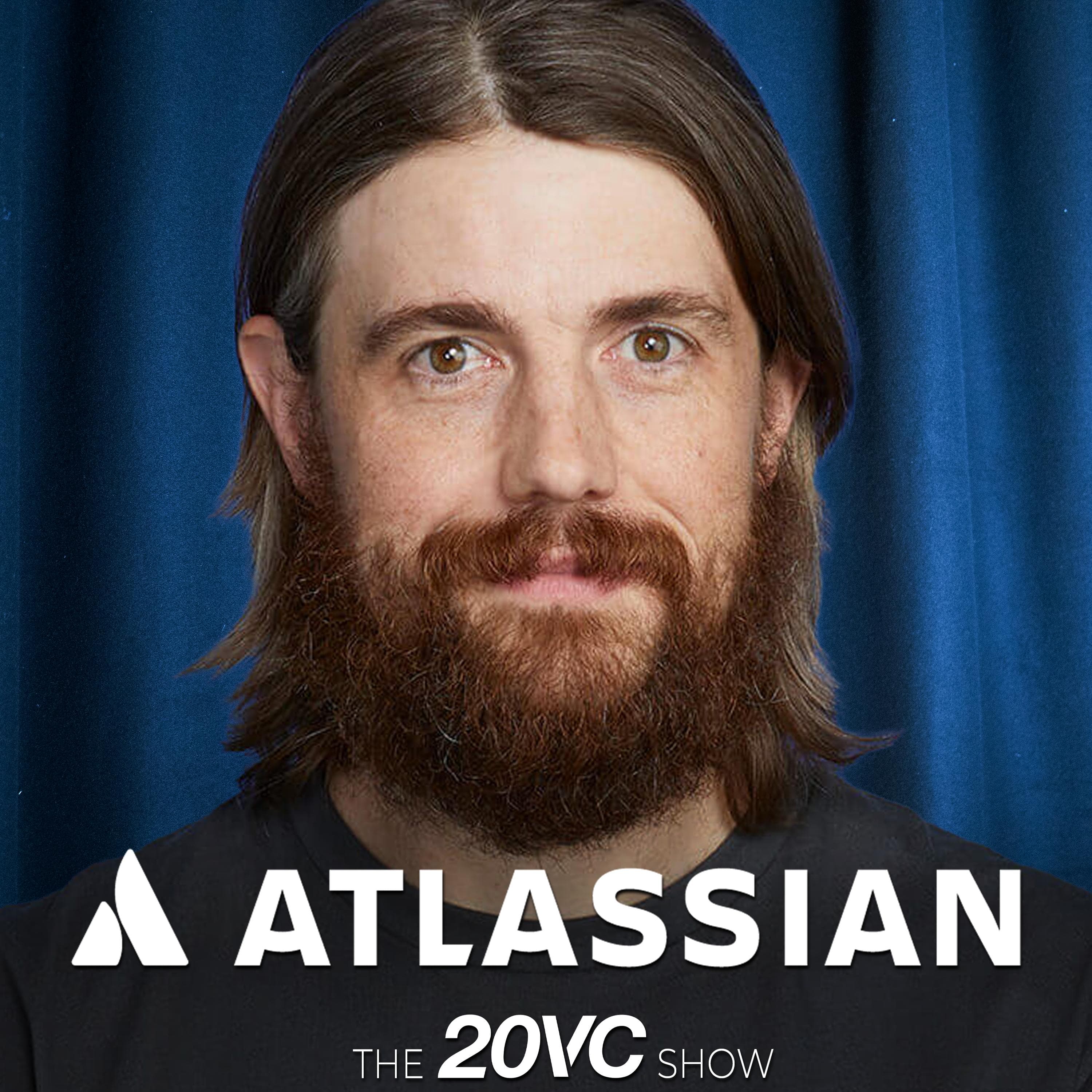
Atlassian’s Cannon-Brookes: Agents Won’t Replace Interfaces
Harry StebbingsMike Cannon-Brookes
Atlassian is betting that agents will expand interface value, especially for collaborative work requiring taste, context and human interaction.The Teamwork Graph turns each customer’s people, decisions, documents, code and workflows into queryable context for agents.Atlassian currently uses no Chinese models in production while routing Nemotron, Mistral and other models by quality, cost and speed; specialized models must sustain “exponential gains” as general models improve.
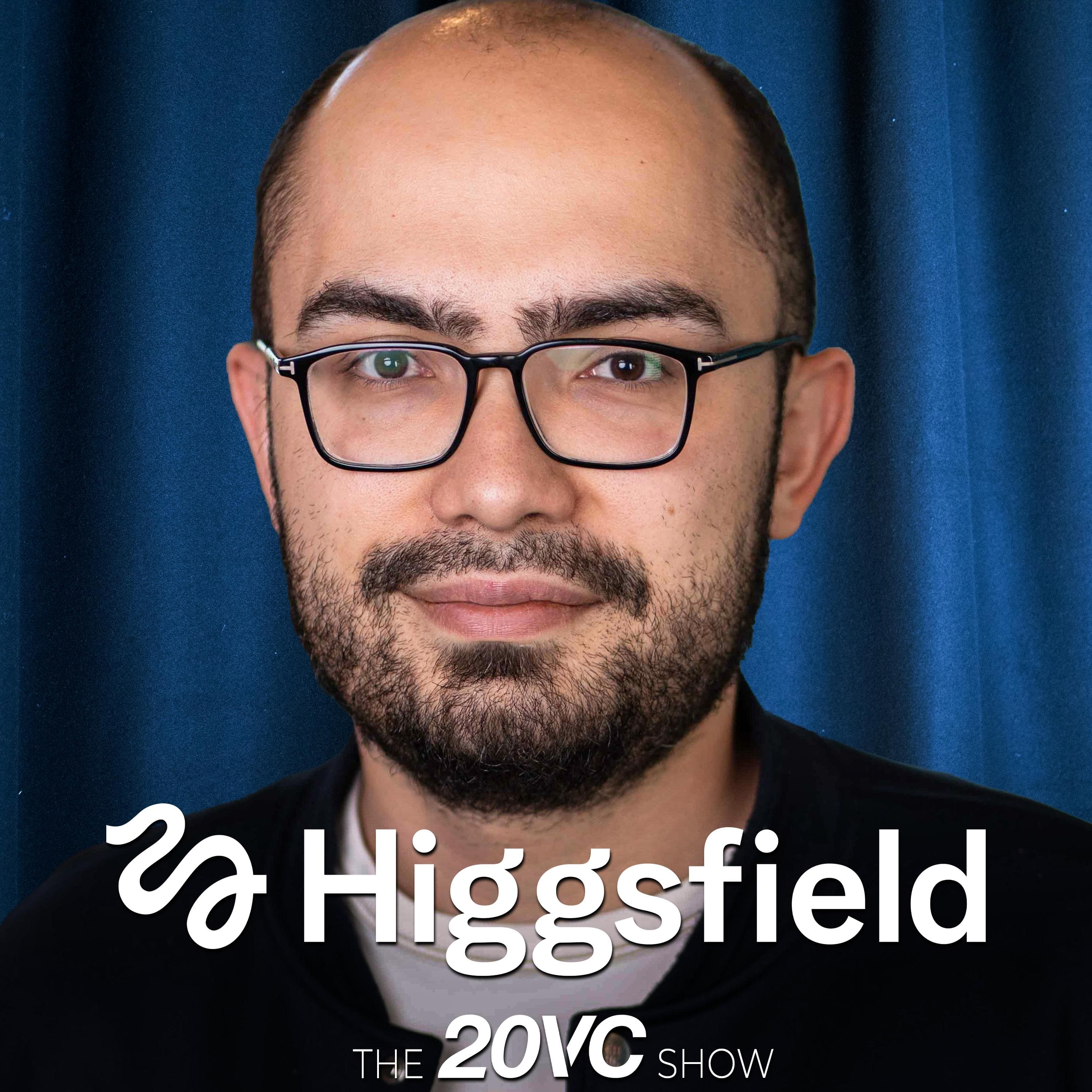
Higgsfield's Mashrabov: $1B ARR in 18 months; AI moats are BS
Higgsfield says it reached $1B in annualized revenue 18 months after $1M, using trailing-four-weeks revenue ×13 and counting only live revenue.The economics are unusually expansionary: month-12 business NRR exceeds 300%, while routing own/open-weight models produces over 80% margins versus 20–30% for closed-source models; monitor whether at least 30% monthly growth survives the projected substantial deceleration.