PERSON DIRECTORY
Erik Torenberg
Erik Torenberg appears in 137 indexed conversations across The a16z Show, The Cognitive Revolution. This directory brings every appearance, source, TL;DR, digest, and transcript into one searchable feed.
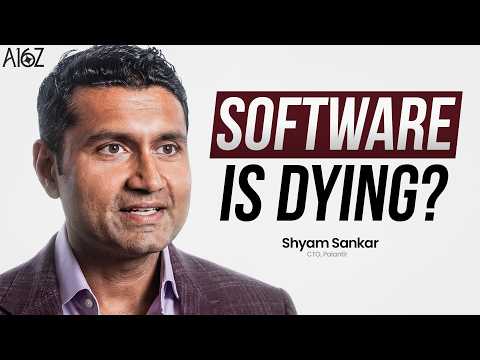
Palantir CTO on The SaaS Apocalypse & Preventing The Next World War | a16z
Shyam SankarKatherine BoyleErik Torenberg
Shyam Sankar argues that restoring deterrence requires reconnecting commercial R&D and manufacturing with national security after defense-only companies rose from 6% to 86% of major-weapons spending.His AI thesis favors infrastructure and “ontology” layers as models commoditize, while alpha software expressing customer-specific advantage may endure better than standardized beta SaaS vulnerable to vibe coding.AI-enabled reindustrialization could raise worker productivity 50 to 100 times and reunite production with innovation, but institutional competence, national will, and unresolved day-two maintenance remain critical risks.

Marc Andreessen Reveals His Biggest Wins and Mistakes at a16z
a16z built its edge by investing across seed, venture and growth after launching in the 2009 wreckage, recognizing that exceptional technology companies could exceed the old $100 billion ceiling.Its shift toward domain-specific practices reflects the difficulty of selecting winners in full-stack markets, while AI, regulation and defense adoption could reshape the premium on expertise and expand the investable opportunity.
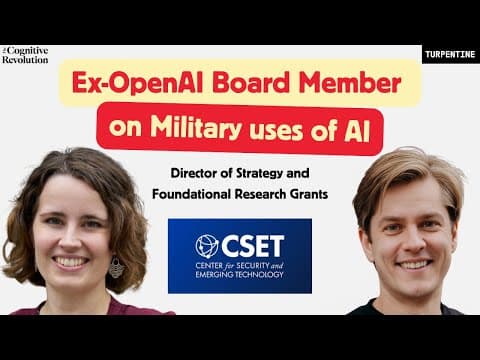
Helen Toner: OpenAI Reflections, Adaptation Buffers, and AI in Warfare
Erik TorenbergNathan LabenzHelen Toner
Helen Toner says the Reuters account that Q triggered OpenAI’s 2023 board decision was false, while confidentiality still limits the public governance record.Her strategic response to rapidly commoditizing frontier AI is adaptation buffers—evaluation, resilience, cyber defense, and government capacity—rather than permanent nonproliferation or fixed pauses.Military applications remain use-case dependent, with scope, training data, and human interaction determining whether bounded tools improve decisions or conceal unreliable strategic judgment.